Re-tyred
‘We see from where we stand, and this includes our vision of God’s action in the world,’ writes John B Thomson, the former ‘Biking Bishop’ of Selby.
DLT Writing for You: an Intelligent, Inspirational, Inclusive newsletter from Darton, Longman and Todd
Contents
Re-tyred
John B Thomson
‘We see from where we stand, and this includes our vision of God’s action in the world,’ writes John B Thomson, the former ‘Biking Bishop’ of Selby.

It is nearly a year since I reached my ‘sell-by’ date and retired from my role as Bishop of Selby in the Diocese of York. According to the tabard given to me as a farewell present by one of the parishes in the Diocese I am now a ‘re-tyred’ Bishop. Being re-tyred reminds me that the ordained retire from an office or role, but we never retire from ministry – even though the character and shape of that ministry changes. It also reminds me of the need to keep embracing change and mining such experience for insights about God. Indeed, it was the experience of call and change which shaped my life – in Uganda, South Africa and in Britain – that led me to write On Your Bike: Reflections of a Pedal Pilgrim last year, using cycling as a lens through which to review and reflect on this journey of faith.
Growing up in a foreign country made me aware of being a stranger, since I never quite fitted in, either in Africa or Britain. In On Your Bike I try to show how this experience taught me that the strange, and strangers, educate us most because they disrupt our simplistic ideas and expose us to uncomfortable truths. I suspect that this is why there is such a strong reaction against the strange and the stranger, something very much felt by those arriving in this society from other parts of the world at the present time. Yet how we respond to the stranger was a key test of Israel’s faithfulness to the love of God, and was also central to the teaching of Jesus. In the book I note that on the road cyclists are also vulnerable and seem strange to those who see the car as norm, evoking analogous hostility.
The experience of being a stranger made me ask who and what do we trust in life? In the book I share how I found in the global church – an international and historical sibling community – a story that in the love of God strangers discover that we are relatives, and that this love binds us together even in our fractiousness and fragility. I saw this in South Africa during the twilight years of apartheid, and I believe this story offers a counter narrative to that told in todays’ social media-shaped, celebrity-focused society of suspicion and exclusion. Without trust, social cohesion collapses into the war of all against all – a sharp reminder to the church not to forget its core story when disagreements feel intense.
I also write about the impact upon my imagination of growing up in a country of bare feet and bikes. This made me aware of the reality of poverty for many – one of the drivers leading to mass migration across much of the world today. I try to show how ministry in South Africa also made me aware of the ambiguous legacy of empire, and the ways we are shaped by the history and choices of our ancestors, heritage and social location even more than our own. Furthermore, I learned through this experience that we see from where we stand, and this includes our vision of God’s action in the world. For example, South African Christians showed me that God’s mission is first to the marginalised – something which led me to minister in Doncaster in the years following the closure of the mines and the decline in the railway industry. Being with these marginalised communities sharpened my insight as I had to learn their language/dialects and thereby come to see their own culture and its conversation with the Gospel. African siblings taught me that identity is social before it is singular, something very evident in the Bible but often forgotten in the Global North. Such commitment to the marginalised and to social identity challenges the focus in late-liberal societies on meritocracy and autonomy, which can de-racinate us and render us vulnerable when things fail, or frustrated when personal freedom doesn’t deliver. I try to show how at its best the local church is a site of resistance to, and freedom from, this destructive story embodying a counter-narrative in which the ‘we’ is more fundamental than the ‘me’.
Living in sub-Saharan Africa and in the bereaved societies of South Yorkshire set me in places where most people experienced pain, suffering and precarious living. In On Your Bike I reflect on how an unexpected health issue hit when I was cycling helped me to see how the Christian faith offers a hopeful story when we suffer, something which is more easily grasped in the Global South than in the Global North. In the Global North suffering no longer has ethical value and so the quest is on to remove suffering from human experience, sometimes at the expense of human life – as recent debates in parliament have shown. I try to show that Christians have a different story to tell, about how we face our fragility and suffering with hope.
As a cyclist I have been trained by those more proficient than me, I have become more aware of my body and the material world, I have been tested in rough terrain, and have had to negotiate public space with vehicles. In the book I use these experiences to explore ministry, leadership, Christian spirituality and contentious issues in contemporary society. These are essays rather than answers and invite a conversation akin to cyclists helping each other out in challenging situations.
So, now that I am re-tyred, my challenge is to get on my bike in the challenging landscape of Cumbria, which is very different both to the areas of Yorkshire in which I ministered and to sub-Saharan Africa. However, with adjusted gears and riding more slowly, I am managing this challenge and am able to continue reflecting on faith and life today as a pedal pilgrim.
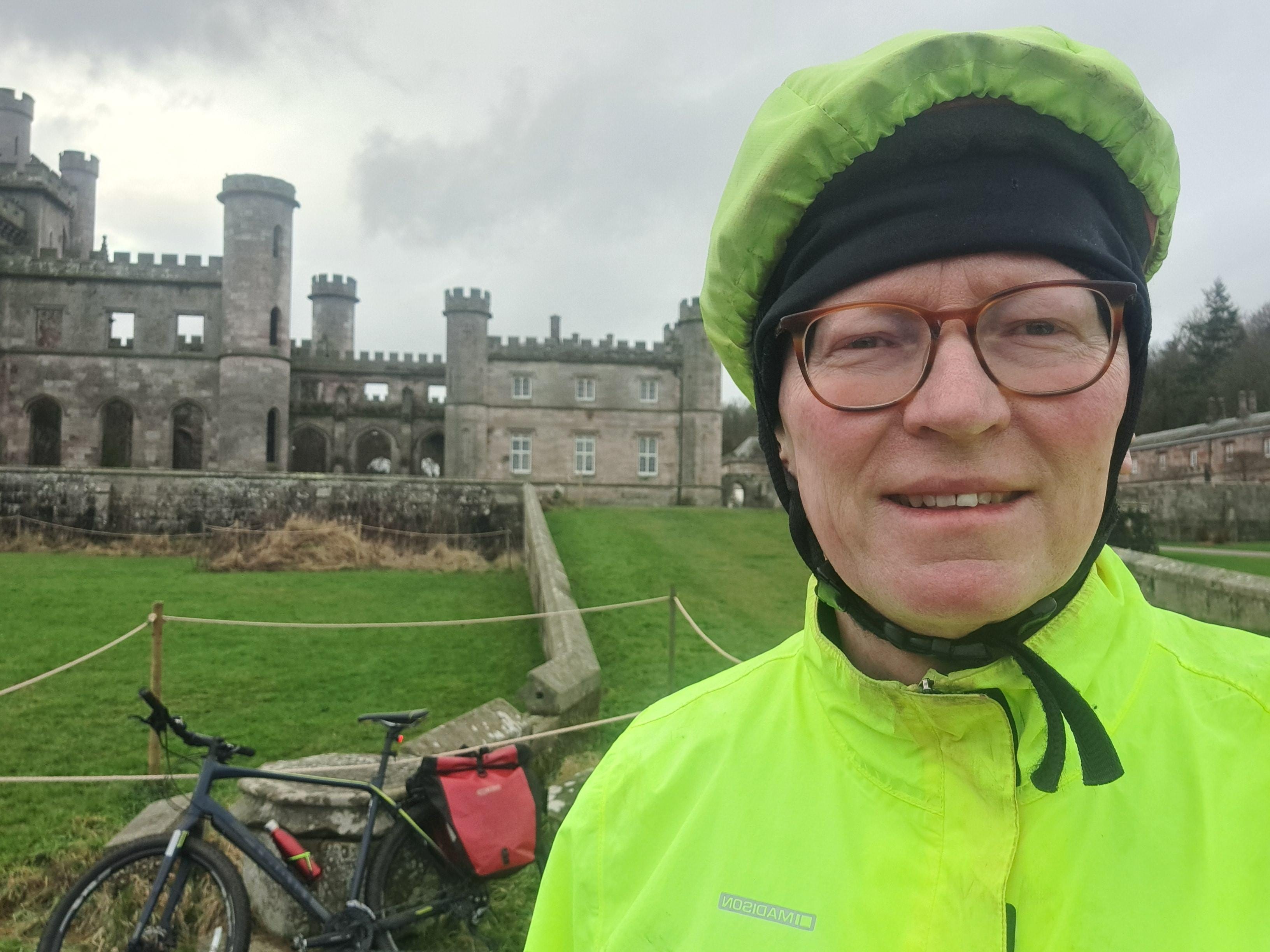
John B Thomson, was formerly Bishop of Selby (2014-24), and is the author of On Your Bike; Reflections of a Pedal Pilgrim, which was published by DLT last year.

You can buy a copy on the DLT Writing for You website. Why not choose 3 books for the price of 2? Every purchase made through this website will generate a royalty for the author and for the Inclusive Church network.
Questions are the Answer
David Hayward
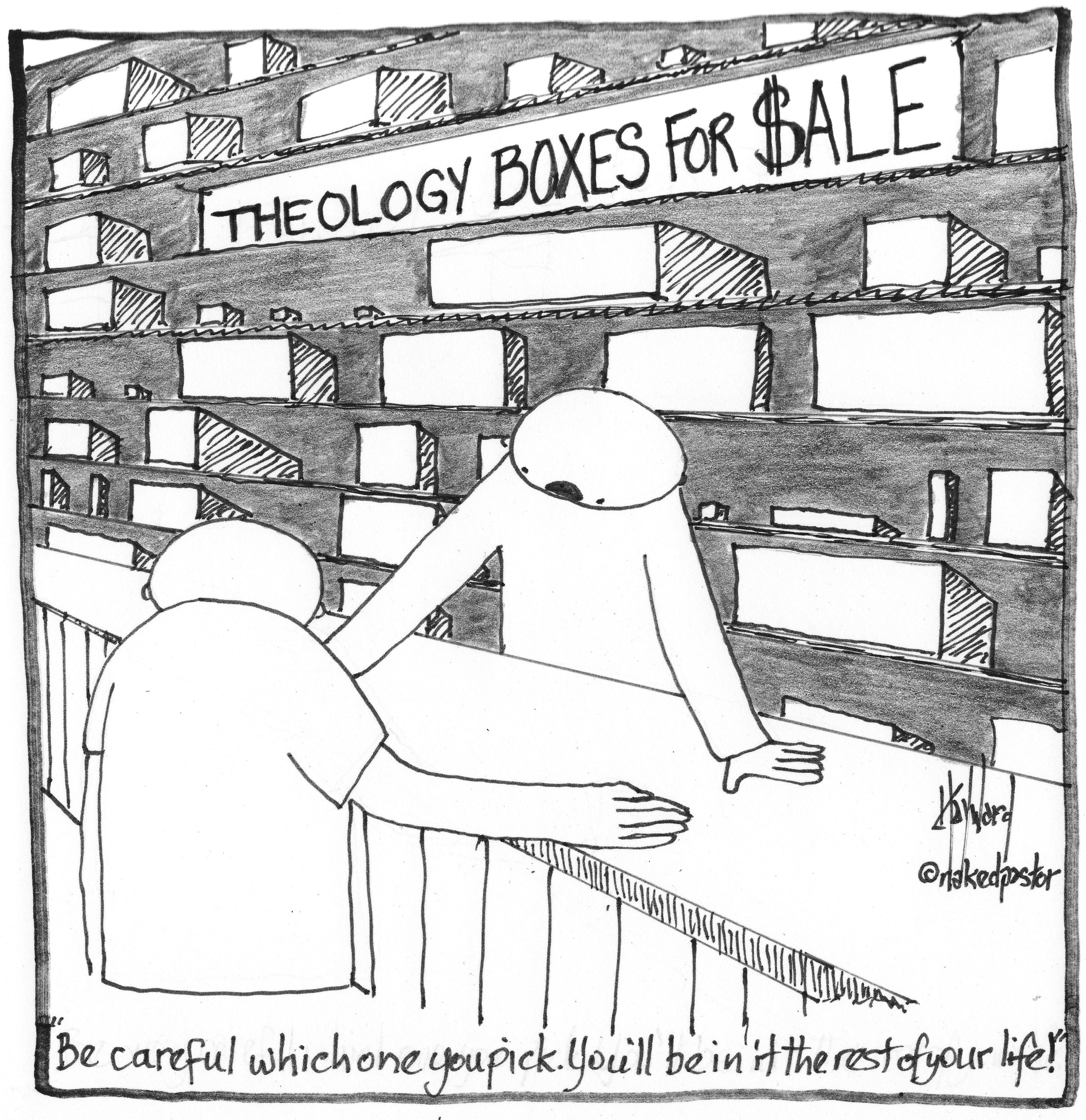
Find many more of David Hayward’s cartoons in Questions are the Answer: nakedpastor and the Search for Understanding.
News from DLT
Darton, Longman and Todd: A Short History. Part Three
Douglas Brown, introduced by David Moloney
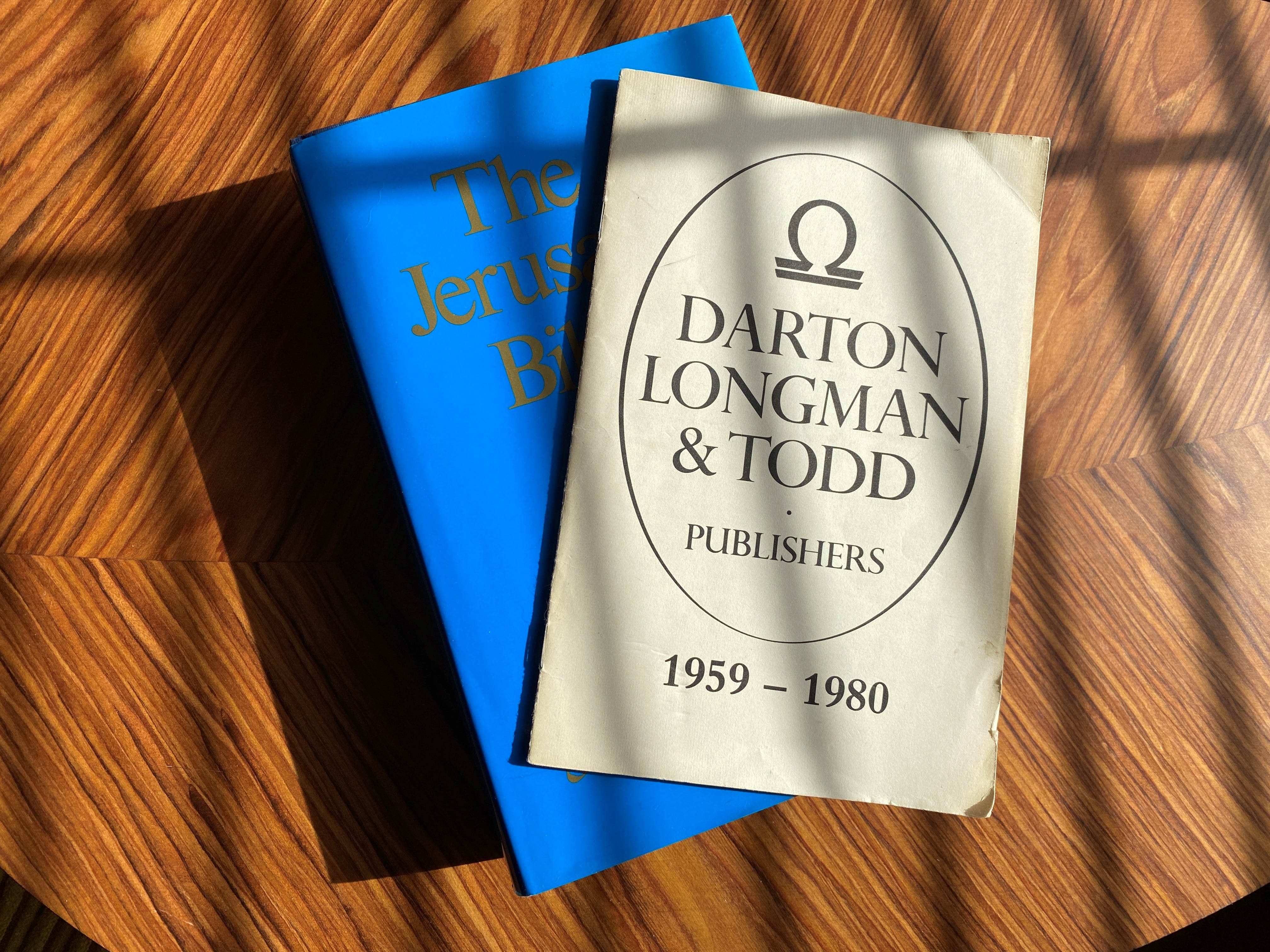
The week ahead marks the 66th birthday of Darton, Longman and Todd – it was first registered as a company on 23 July 1959 – so this seems a fitting point at which to reproduce the third and final instalment of our serialisation of Darton, Longman and Todd: A Short History by Douglas Brown, commissioned by the company in 1980 to coincide with the company’s twenty-first anniversary.
Part One described the launch of the Jerusalem Bible, the foundation stone on which the company was built, and Part Two gave us fascinating pen portraits of Tim Darton, Michael Longman and John Todd – and Liz Russell, the fourth and less-heralded member of the original team. Part Three describes DLT’s trade list – as eclectic then as it is now:
DLT began with the intention of publishing on the whole religious dimension in our time. With Tim Darton an Anglican, Michael Longman non-attached Christian and John Todd Roman Catholic they were ideally equipped to match up to the resurgent interest in Christian unity – something soon to be given further impetus by the Second Vatican Council. And that Council, of course, was to provide rich material for future DLT titles. Nor have they concentrated exclusively on Christian works. Louis Jacobs has charted the major currents of Jewish theology and Professor Thomas Lambdin gave an introduction to biblical Hebrew. Lately the firm has turned its attention to Hindu spirituality.
Extensive though its religious lists have been, the company from the start has had a carefully selected general list, including histories, biographies, works on sport and recreation, on the fringes of medicine, on gardening with some particularly delightful works on herbs, travel guides of the British Isles and, more recently, on travelling through France on minor roads, a joy for the connoisseur of French villages. In 1965 the firm branched out into paperbacks with its series of Libra Books, including new books as well as reprints of established works, religious and general. To quote an early press release: 'The company's colophon, the zodiacal sign of Libra, the scales, may serve as a symbol that the firm intends to keep its balance in taking so many directions at once; or it may be merely that it is the sign under which one of its directors was born, according to the astrologers; it is in any case a very pleasing shape and beautifully adaptable for decorating different kinds of jackets.’ Balance and many directions have indeed remained the firm's guidelines, bringing us to the daunting but somewhat invidious task – but an inescapable one on an occasion such as this – of considering a few of the more prestigious and best selling titles out of hundreds of works almost all of high excellence.
Certainly one of the firm's best selling titles right from the start and still going strong is Preparing for Marriage by Dr John Marshall. Another major contributor on this and kindred subjects has been the psychiatrist Dr Jack Dominian. In this area, too, came one of the firm's most ambitious undertakings, the Dictionary of Medical Ethics with 116 contributors. That was in 1977; now a new and enlarged edition is on the way. Also on the stocks is an equally ambitious Dictionary of Business Ethics.
Darton, Longman and Todd have always been strong on the devotional, the meditative, the inspirational, and, again right from the early days, one of its best selling authors has been the Russian Orthodox Metropolitan Anthony Bloom with Living Prayer and School for Prayer. There have also been seven works of René Voillaume, founder of the Little Brothers of Jesus, and six by one of the most inspired of his followers, the Italian Carlo Carretto. Recently a little book to attract widespread appreciation has been Enfolded in Love, a selection of daily readings from Mother Julian of Norwich, and in the months ahead there are works of deep spiritual insight from Dom John Main, a Benedictine monk and former member of the British Colonial service who has now founded a community of monks and laypeople in Montreal, and by Mother Mary Clare of the Sisters of the Love of God, one of the Anglican Church's leading spiritual advisers
Again from the start, Darton, Longman and Todd have attracted some of the most prestigious theologians. They have published eighteen volumes of the Roman Catholic Karl Rahner, seven by the Jesuit Bernard Lonergan and six by the distinguished Anglican Thomist Eric Mascall. Two Anglican priests have won the Collins Biennial Religious Book Award; Alan Ecclestone in 1975 with his Yes to God, and, last year, William Vanstone with his Love’s Endeavour, Love's Expense. Both prize-winning books were acquired for DLT by Robin Baird-Smith, who was with the firm for ten years as a commissioning editor and director before leaving to join Collins in 1978. Another Anglican work to attract unstinted approval from reviewers and the public alike was John Austin Baker's exhilarating The Foolishness of God.
In history and current affairs there have been three of the five volumes of the massive Christian Centuries series aimed at the general reader. There's soon to be W. H. C. Frend's The Rise of Christianity with his cool look at the triumph of Christianity over the pagan world which was shadowed by the tensions and divisions that arose within it from the moment of the Crucifixion. One of the most penetrating looks in recent years at the English Roman Catholic Community from Elizabeth to the Irish Immigration came from John Bossy and, looking at our own time, there have been Bishop Butler's Theology of Vatican II and Adrian Hastings’ Concise Guide to the Documents of the Second Vatican Council. From Père de Vaux of the Jerusalem Bible came the Early History of Israel, a work on a massive scale curtailed by his death. In biography there have been John McCaffery's story of Padre Pio, the Italian Franciscan priest who developed the stigmata, René Laurentin's Bernadette of Lourdes and Dom Adrian Morey's delicate and beautifully written account of the life and times of his brother Benedictine and medieval historian, Dom David Knowles. In autobiography comes one of the most exciting books of DLT’s 21st birthday list.
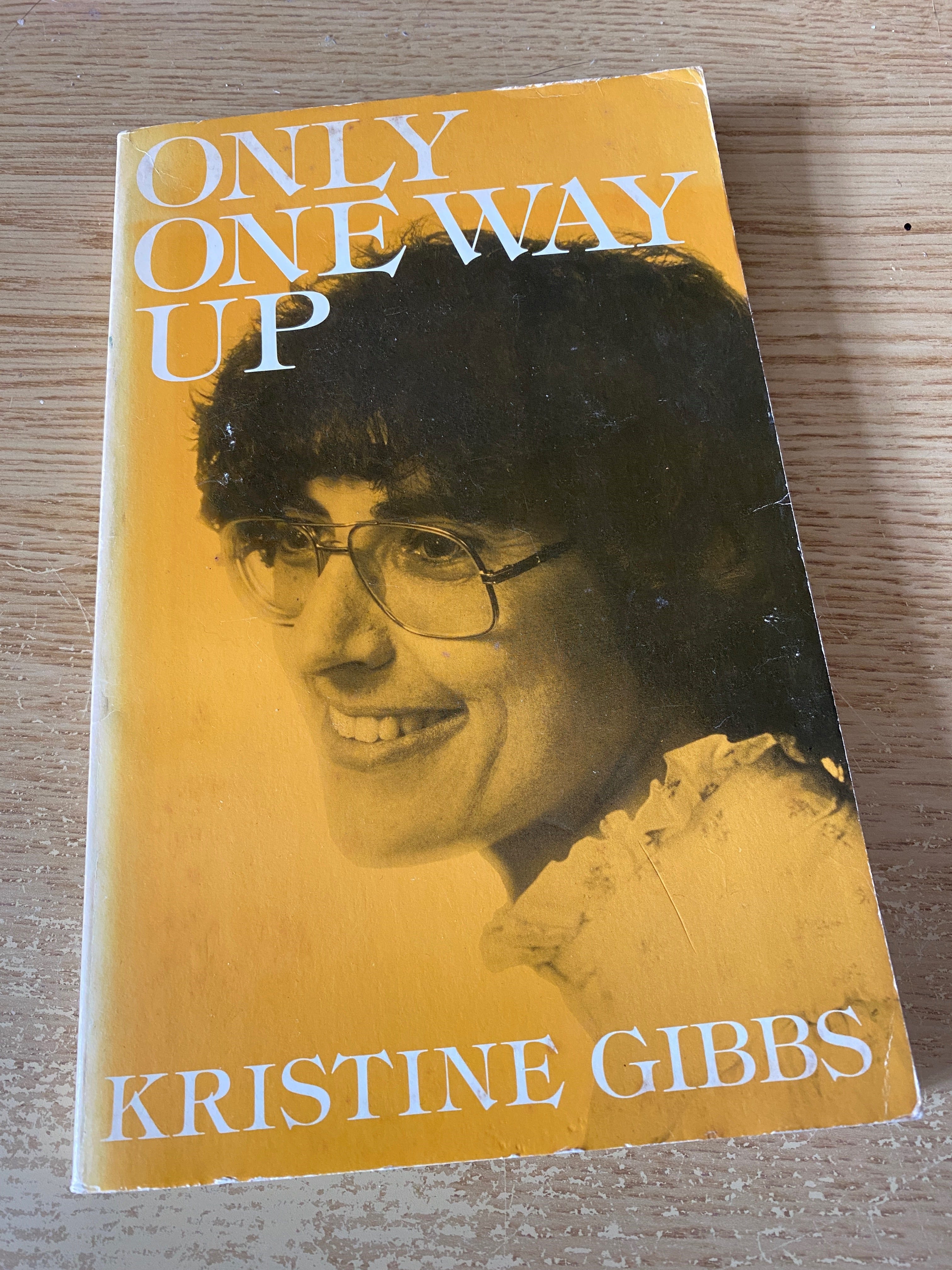
Called Only One Way Up, it is the story of a young social worker who, during the process of a slow and agonizing recovery from a major brain haemorrhage, found the presence of God reaffirmed. She draws together experiences common to all faced with sudden disability and brings to light the real needs of disabled people and the part that effective rehabilitation must play to avoid dependence and apathy.
The autumn list has indeed all you would expect from DLT as it comes of age – Cardinal Suenens on the future of the Church and the Christian life (a reminder of how much has been published on the charismatic movement), biographies of William Wilberforce of abolition-of-slavery fame and the seventeenth-century Yorkshire recusant, Nicholas Postgate, and Frank Lake's long-awaited successor to his famous Clinical Theology with yet more aspects of pastoral counselling, plus all his wealth of theological, psychiatric and psychoanalytic approaches.
To quote one of DLT’s most successful authors, Mother Julian of Norwich, they feel: 'All shall be well, and all shall be well and all manner of thing shall be well.' But they had a hunch that things would be that way soon after they started when that letter arrived addressed to: ‘Darton, Longman and God’.
And that’s the story of DLT – the original, you might say. I might add that over the course of the subsequent 45 years we have received letters addressed both to ‘Darton, Longman and Odd’ and ‘Darton, Longman and Bob’, suggesting our brand recognition in the wider world is yet to reach saturation point – but we know that DLT is known, respected, trusted and loved in certain circles, and we remain grateful for the support of all our readers and writers, booksellers and staff members over the years. It’s a tough – really tough – market these days. According to Douglas Brown the founders shared a conviction in 1959 that ‘a lot of people still wanted to read serious works on religion’; I’m not sure that that’s quite the case any more – but we know that some people still do want to read these books, and we want to publish them. So we continue to publish, to seek out the very best writing by the very best writers, and as best we can to retain the values of Darton, Longman and Todd as it was originally founded – regenerated for the world in which we live today.
The Art of Spiritual Writing and Moments of Love
Thank you Lavinia Byrne, in The Tablet, for recommending these two recently-published DLT books in last week’s issue.

The Art of Spiritual Writing, by Eirene and Richard Palmer, is a ‘how to’ book. It sets up a series of well-thought-through strategies to help individuals tell the stories of their faith journeys. There is an implicit promise here: if you write an authentic account along the lines this book describes and develops, you will grow in self-knowledge but also in faith. No genre is barred: you can write a story, a poem, a psalm, a letter, a prayer. At a time when writing a biographical note to go alongside your will is very much on trend, this is a timely and very readable publication.

The biblical ‘Song of Songs’ provides inspiration for an eight-day retreat presented by John Mann. The author is a former dean of Belfast Cathedral who lives now on the Isle of Man, where he leads retreats and pilgrimages. In Moments of Love: An Eight-Day Retreat with the Song of Songs, he offers extracts, reflections and prayers for use four times a day to ‘produce an emotional as well as a devotional response’ to the text. He looks to St John of the Cross to draw out its mystical meaning and to the landscape – scents, views and artefacts – of the Near East to root its physicality.
These two books are terrific examples of the strength of inspirational new spiritual writing currently appearing on the DLT list. You can find both of them – and many more – at the DLT Writing for You website, and if you like what you see you can buy 3 for the price of 2. Remember: DLT pays an additional royalty to the Inclusive Church network for all orders made through this site.
Here's a reminder of all the other new books published by DLT during the first half of 2025:


Puzzles
Not Quite Write
Stephen Poxon
Complete the Bible passage (Jerusalem Bible):
You have made the earth tremble, torn it apart; now mend the rifts, it is _________ still! (Despite Frankie Howerd’s advice not to.)
Answer below.
Stephen Poxon compiled and edited A Pleasant Year with Father Brown: 365 Daily Readings in the Company of G. K. Chesterton’s Priest Detective.
Clerical Errors
Thomas a Quiznas
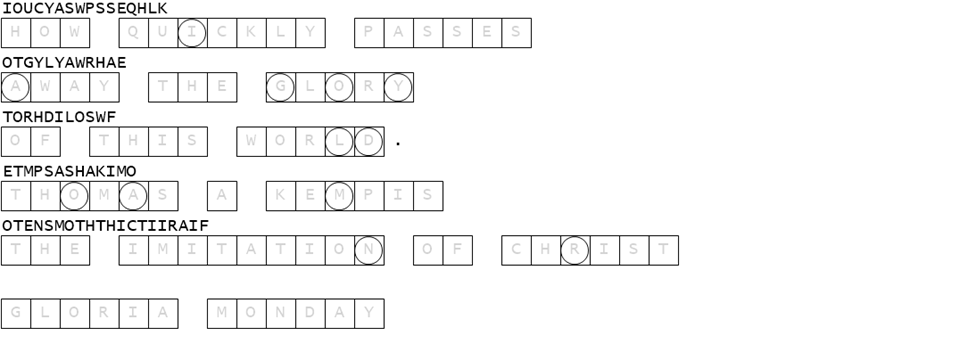
Fill in the words on each line then use the circled letters to find who was ill in the back of the van, and when.

Answer below.
The fiendish puzzles of Thomas a Quiznas were discovered by Fay Rowland, author of 40 Days with Labyrinths: Spiritual reflections with labyrinths to ‘walk’, colour or decorate
Theologygrams
Rich Wyld
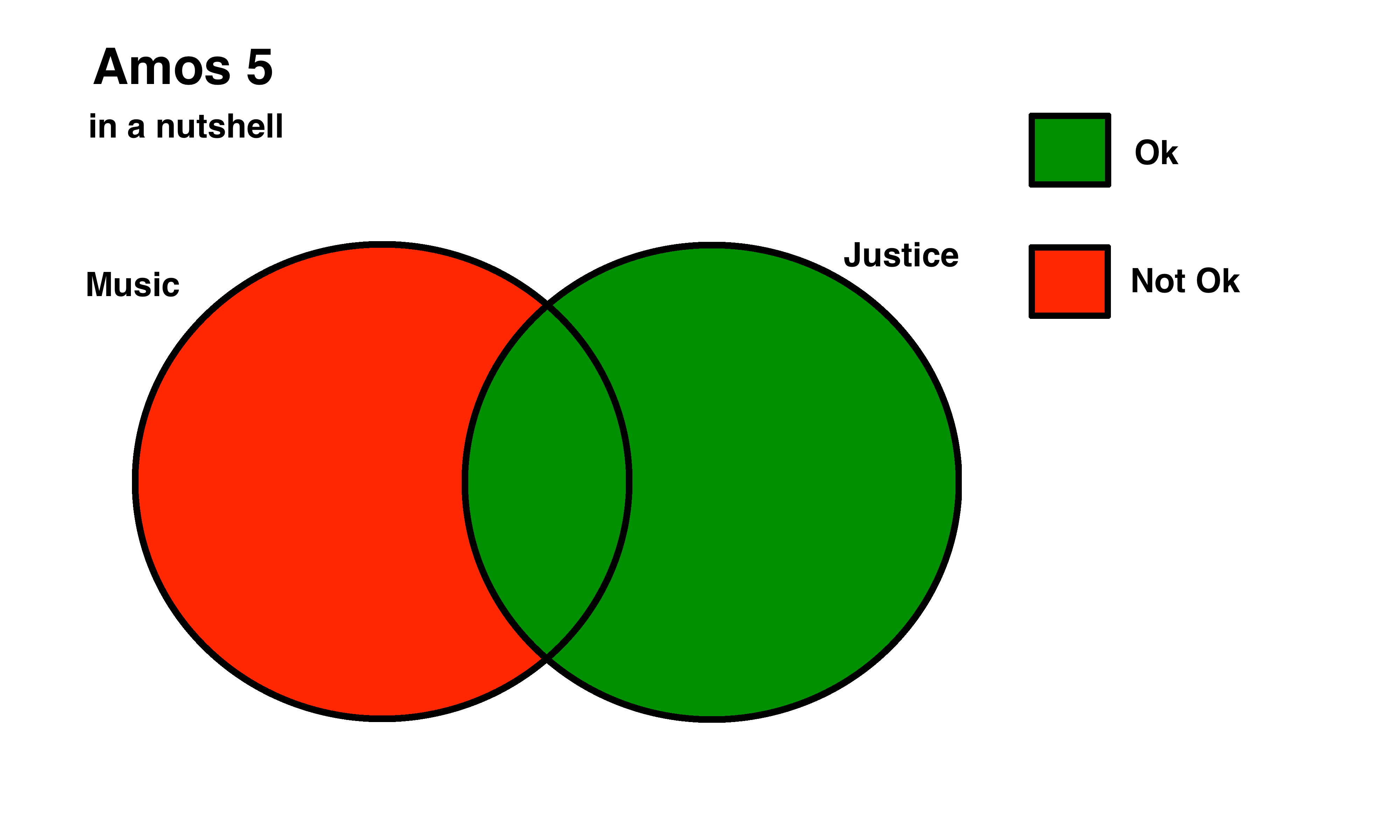
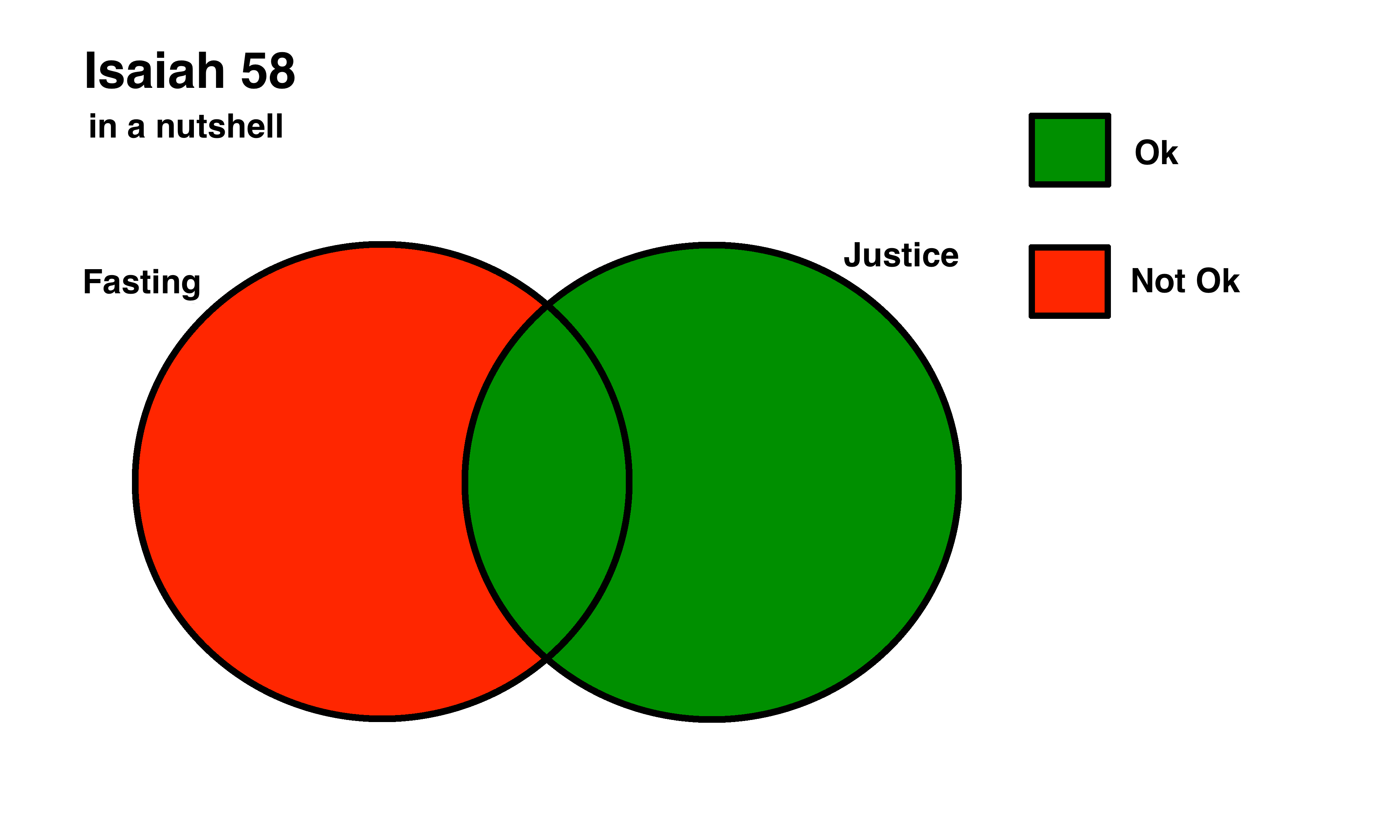
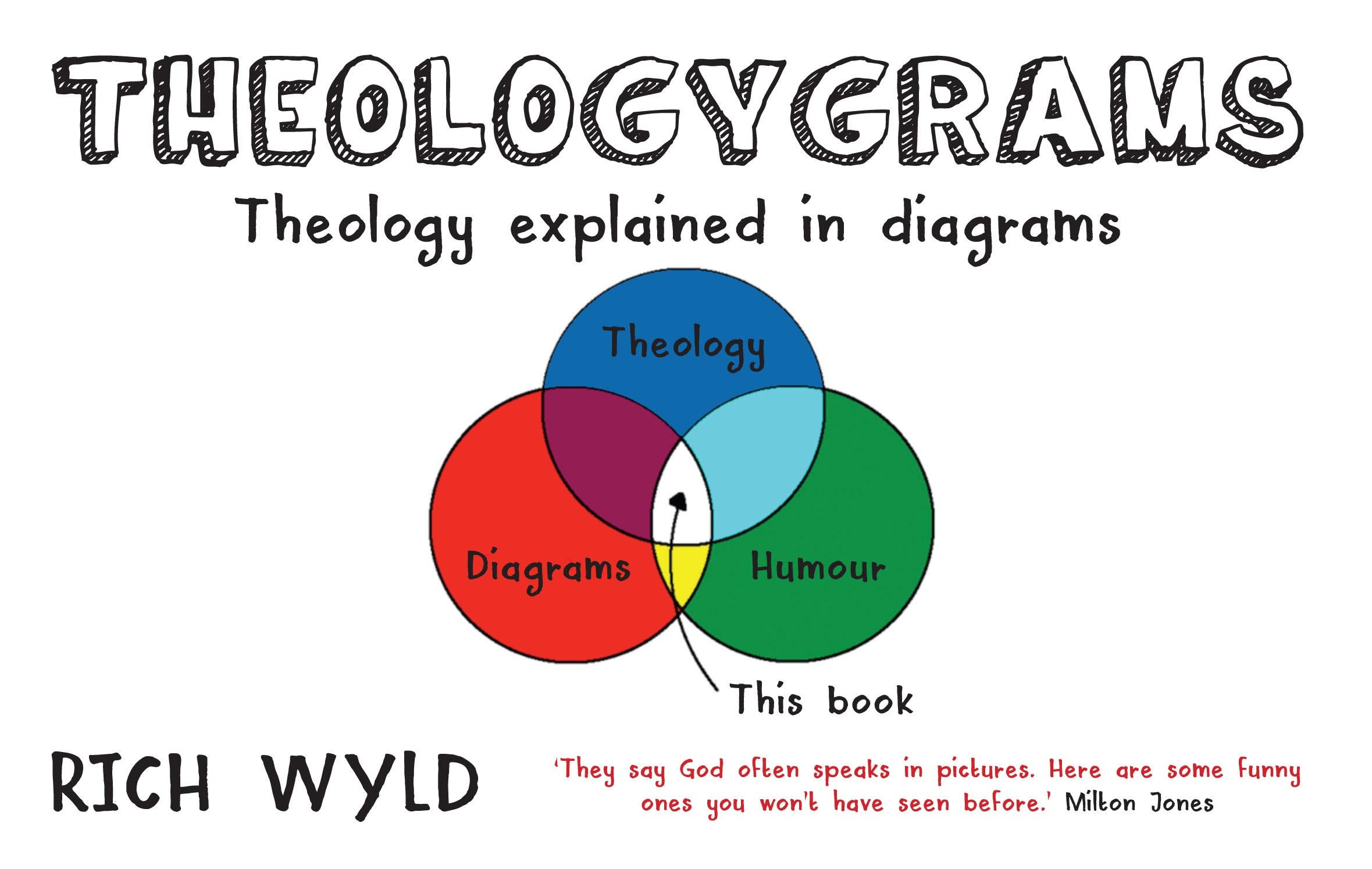
Discover more of Rich Wyld’s work in Theologygrams: Theology Explained in Diagrams and The World According to Theologygrams: Making Sense of Christianity through Badly-Drawn Diagrams.
Puzzle Answers
Not Quite Write: tottering (Psalm 60:2).
Clerical Errors: How quickly passes away the glory of this world. Thomas à Kempis, The Imitation of Christ.
‘Gloria Monday’ was ill in the back of the van.